Saturday 29 August 2026
Poetry books of the month: forces of nature
Two anthologies offer a powerful showcase of defiant women writers and the climate emergency in all its vivid horror
Jade CuttlerIn 2024, according to a Ledbury Poetry Critics report, poetry by women in the UK and Ireland was being published at a record high. That same year, women won all four categories in the Forward prizes. But as the 2021 Keats-Shelley Prize winner Katrina Naomi suggests in Woman, Mapped, women writers still feel as if they are “utterly ignorable”.
In this first Rebecca Swift Foundation anthology, contributors rally innovatively against sexual and verbal oppression. Ilse Pedler, a poet and part-time veterinary surgeon from Cumbria, addresses the normalisation of sexual violence in Lessons for Young Women. One man “pressed her back against the hardness of the wall and she felt another hardness pressed to her front”, while “a passing split-second touch” from another man “branded her nipple in an uninvited ember-hot shame forty years long”. How can she speak up? The protagonist is “a fly buzzing on the inside / of a window”, as she navigates the need to call out this abuse alongside the fear of being perceived as a nuisance.
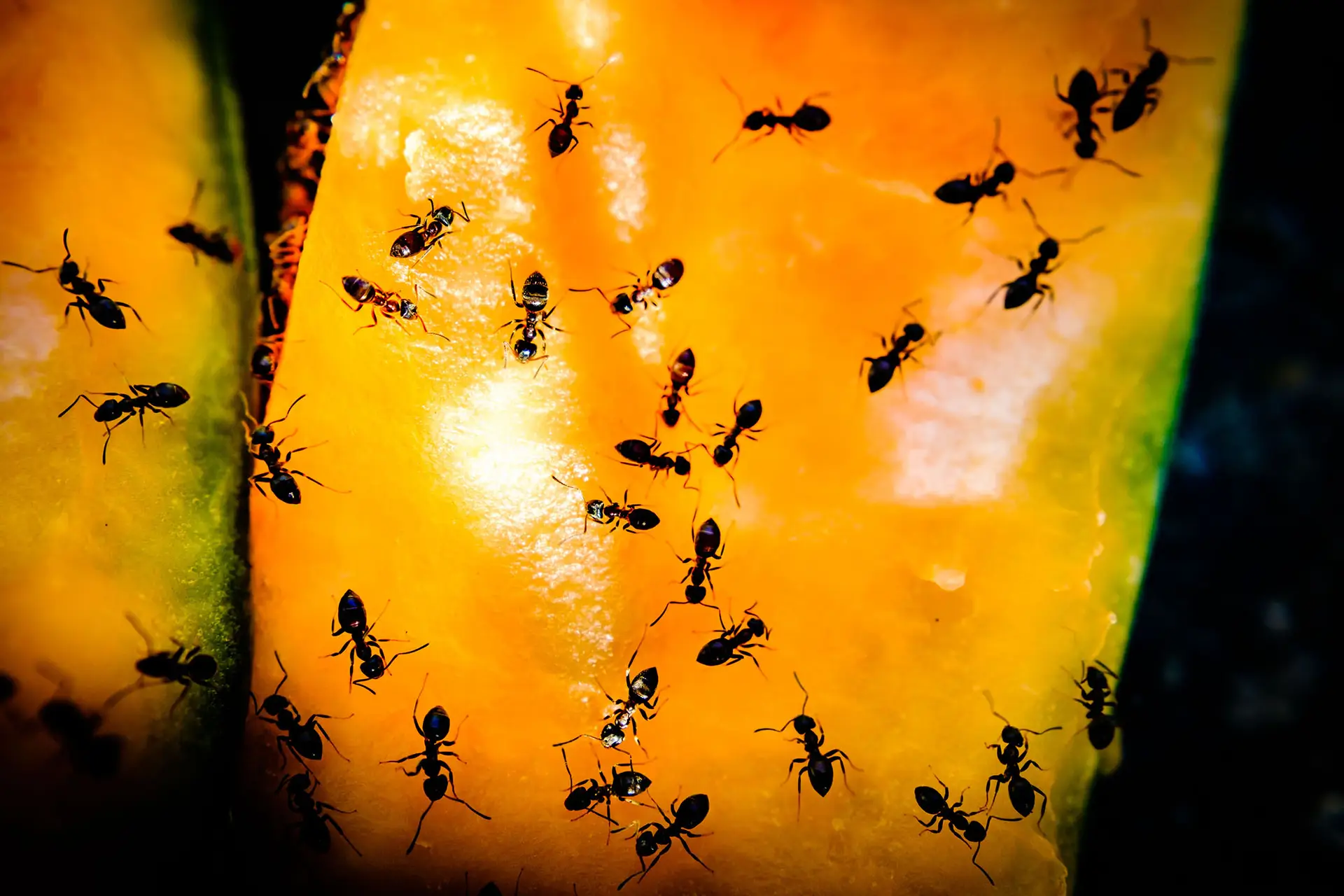
Elsewhere, Jade Mutyora, a York-based poet and novelist, shares moving confessions about sobbing in toilets and problematic academic supervisors, and Katy Mack considers the gloriously grotesque spectacle of childbirth as letting insects “lay their kingdoms underneath my skin”. Instead of cute, tickling ladybirds or butterflies we encounter the “skittering” chaos of earwigs and ants. I enjoyed the collection’s parallels between conventional relationships and ones that are less so, as in Katrina Naomi’s ode to the woman who married the Berlin Wall: “She scratched her desire deep into his core; / knowing he couldn’t leave until he was demolished [...] She felt she owned him outright.”
Diverse as this snapshot of women’s lives is, a shared resilience shines through
While many anthologies only skim the surface of each poet’s work, Woman, Mapped offers a satisfying opportunity to dive deeper. Across 10 or so poems (plus prose), we sink into each woman’s vulnerable truth. Teddy Webb compares her inclusion in this anthology to “sticking a rockhopper penguin in a flamingo enclosure”. Her “experiences of womanhood are far from what society has deemed as the conventional markers of a female coming-of-age,” she explains. “I’m no mother, nor do I plan to be one; I’ve never had a husband, nor a divorce [...] I’m a dyke.” Her witty reflections reinforce a powerful message: that women are “ridiculously diverse creatures”, as Hollie McNish notes in the foreword. No one size fits all. Diverse as this snapshot of women’s lives is, a shared resilience shines through.
This resistance to easy categorisation, and easy answers, is also embraced in Ecoshock, a stirring anthology of poems on climate change. The editor, Glyn Edwards, confesses ignorance as to how to discuss the current heatwave with his teenage son: if he “feed[s] him data until I scare him, he may worry himself sad; yet, if I lazily anecdote about rare spikes in temperature, I’ll be as complicit as his Instagram feed.” As poets including Pascale Petit, Imtiaz Dharker, Sean Borodale and Harriet Tarlo demonstrate here through daring, never didactic modes, the willingness to confront these difficult questions is a commendable place to start.
In Michelle Penn’s flood-ravaged against despair you can almost feel the splinters of “loose planks and slats / needles and numbers”, and it’s hard to forget her image of a “body turned to foam” where “all you can do is balance time on your back”. If such crises can feel distant, this anthology persuasively describes a world in which rising temperatures – more than a splinter in the side – are not.
https://observer.co.uk/culture/books/article/poetry-books-of-the-month-forces-of-nature